Author: John Smith

  • Pet Health And Wellness: Keeping Your Pets Happy And Healthy With Vet Services

    Are you a pet owner who wants to ensure the happiness and health of your furry friends? Look no further than vet services! Regular check-ups are essential for maintaining your pet’s well-being, and in this article, we will explore the various ways that vet services can help keep your pets happy and healthy.

    From preventative measures to diagnostic services, dental care to nutrition guidance, your vet can provide all the necessary support to ensure your pet’s overall wellness.

    When it comes to pet health, preventative measures are key. Your vet can administer vaccinations, perform routine examinations, and offer advice on flea and tick prevention. By staying proactive, you can protect your pets from various diseases and parasites, keeping them safe and healthy.

    Additionally, diagnostic services provided by your vet can help detect any underlying health issues at an early stage. Regular screenings and tests can identify potential problems before they become more serious, allowing for prompt treatment and a better prognosis.

    With the help of vet services, you can ensure your pets lead long, happy, and healthy lives.

    Importance of Regular Vet Check-ups

    You should make sure to schedule regular vet check-ups to keep your furry friend in tip-top shape and give them the best care possible. Just like humans, pets need regular check-ups to monitor their overall health and catch any potential issues early on.

    During these check-ups, the vet will conduct a thorough examination including checking their weight, temperature, heart rate, and overall condition. They will also assess their teeth, ears, and eyes to ensure everything is healthy.

    By taking your pet for regular check-ups, you can prevent potential health problems from escalating and ensure that your pet remains happy and healthy for years to come.

    Regular vet check-ups are especially important for older pets or those with pre-existing conditions. As pets age, they become more susceptible to certain health issues such as arthritis, dental problems, and heart disease.

    By scheduling regular check-ups, your vet can monitor your pet’s condition and make necessary adjustments to their treatment plan. They can also recommend preventive measures such as vaccinations, flea and tick control, and dental cleanings to keep your pet protected.

    Remember, prevention is key when it comes to your pet’s health, and regular vet check-ups play a vital role in ensuring their well-being.

    Preventative Measures for Pet Wellness

    To ensure the well-being of your furry friends, it’s important to take proactive steps in maintaining their overall vitality and preventing potential health issues.

    One of the most effective ways to do this is by providing regular exercise for your pets. Just like humans, pets need physical activity to stay healthy and fit. Regular exercise not only helps to prevent obesity and maintain a healthy weight, but it also promotes cardiovascular health, strengthens muscles, and improves joint mobility.

    Whether it’s taking your dog for daily walks or engaging your cat in interactive play sessions, incorporating exercise into your pet’s routine will greatly contribute to their overall wellness.

    In addition to exercise, nutrition plays a crucial role in your pet’s health. Providing a balanced and nutritious diet is essential for their well-being. Make sure to feed them high-quality pet food that’s appropriate for their age, size, and breed. Avoid giving them table scraps or excessive treats as these can lead to weight gain and other health problems. It’s also important to monitor their water intake and ensure they always have access to fresh, clean water.

    By paying attention to your pet’s diet and providing them with proper nutrition, you can help prevent certain diseases, maintain their immune system, and promote healthy digestion.

    Remember, taking preventative measures for your pet’s wellness is key to keeping them happy and healthy. By incorporating regular exercise into their routine and providing them with a balanced diet, you can significantly reduce the risk of potential health issues and ensure their overall vitality.

    Diagnostic Services for Early Detection

    Make sure your furry friend receives regular diagnostic services to catch potential health issues early on. Just like humans, pets can develop various health conditions that may not be immediately visible.

    Diagnostic services, such as blood tests, urine analysis, and imaging techniques, can help identify any underlying problems before they become more serious. These services are essential for early detection and treatment, as they can provide valuable insights into your pet’s overall health and well-being.

    Regular check-ups with your veterinarian can include diagnostic services that are tailored to your pet’s specific needs. Blood tests can reveal important information about your pet’s organ function, blood cell counts, and overall health. Urine analysis can help detect urinary tract infections, kidney problems, and other issues. Imaging techniques, such as X-rays or ultrasounds, can provide detailed images of your pet’s internal organs, bones, and tissues, helping to identify any abnormalities or potential health concerns.

    By investing in regular diagnostic services, you can ensure that your pet receives the necessary care and attention they need for a long and healthy life. Early detection of health issues allows for prompt treatment, potentially saving your pet from unnecessary pain and suffering.

    Remember to consult with your veterinarian about the appropriate diagnostic services for your pet, as they can provide personalized recommendations based on their age, breed, and overall health condition. Taking proactive steps to monitor and maintain your pet’s health will contribute to their happiness and well-being.

    Dental Care for Pet Health

    Ensuring regular dental care for your furry friend is crucial for their overall well-being and can contribute to a longer, happier life. Just like humans, pets can develop dental issues such as plaque buildup, gum disease, and tooth decay. These problems can lead to pain, discomfort, and even systemic infections that can affect their overall health.

    By taking your pet for regular dental check-ups and cleanings, you can prevent these issues from occurring or catch them early on when they’re easier to treat. During these visits, the veterinarian will examine your pet’s teeth and gums, looking for any signs of disease or decay. They may also recommend dental X-rays to get a better look at the health of the teeth below the gumline. If necessary, they can perform dental procedures such as tooth extractions or root canals to alleviate any pain or infection.

    In addition to professional dental care, there are steps you can take at home to maintain your pet’s oral health. Brushing your pet’s teeth regularly with a pet-specific toothbrush and toothpaste can help remove plaque and prevent tartar buildup. It’s important to use products specifically designed for pets, as human toothpaste can be toxic to them.

    You can also provide dental chew toys or treats that are designed to promote dental health. These products can help scrape away plaque and tartar while providing entertainment for your pet.

    Remember, a healthy mouth is essential for your pet’s overall health and well-being, so make sure to prioritize their dental care to keep them happy and healthy for years to come.

    Nutrition Guidance for a Balanced Diet

    Maintaining a balanced diet is key to ensuring your furry friend receives the proper nutrition they need for a vibrant and energetic life. Just like humans, pets require a combination of essential nutrients to stay healthy.

    It’s important to consult with your veterinarian to determine the specific dietary needs of your pet based on their age, breed, and any existing health conditions. Your vet can provide valuable guidance on choosing the right pet food that meets all the necessary nutritional requirements.

    A balanced diet for your pet should consist of a combination of protein, carbohydrates, fats, vitamins, and minerals. Protein is an essential component for muscle development and repair, so it’s important to choose a pet food that contains high-quality sources of protein such as chicken, beef, or fish.

    Carbohydrates provide energy, and a good source of carbohydrates for pets can include whole grains or vegetables. Fats are necessary for healthy skin and coat, as well as providing a concentrated source of energy.

    Additionally, your pet’s diet should include a variety of vitamins and minerals to support their overall health and wellbeing. By providing your pet with a well-balanced diet, you can help them maintain a healthy weight, strong immune system, and optimal organ function.

    Conclusion

    In conclusion, taking care of your pet’s health and wellness is crucial for their overall happiness and well-being. Regular vet check-ups are essential to ensure that any potential health issues are detected and addressed early on. By scheduling these check-ups, you’re taking a proactive approach to your pet’s health and giving them the best chance at a long and healthy life.

    In addition to regular check-ups, preventative measures such as vaccinations and parasite control are vital in maintaining your pet’s wellness. These measures help protect your furry friend from diseases and infections that can be harmful or even fatal. By staying up to date with these preventative measures, you’re providing your pet with the best defense against potential health risks.

    Diagnostic services offered by veterinarians are also crucial for early detection of any underlying health conditions. Through various tests and screenings, veterinarians can identify potential issues before they become more serious and harder to treat. This early detection can greatly improve the prognosis and outcome for your pet.

    Dental care is another important aspect of pet health and wellness. Regular teeth cleanings and oral exams can help prevent dental disease, which can lead to pain, infection, and other health problems. By providing proper dental care, you’re ensuring that your pet’s teeth and gums stay healthy, allowing them to eat, play, and enjoy life to the fullest.

    Lastly, proper nutrition is key to maintaining a balanced diet for your pet. Veterinarians can provide guidance on the best diet for your pet’s specific needs, taking into account factors such as age, breed, and any existing health conditions. By feeding your pet a nutritious diet, you’re supporting their overall health and helping to prevent obesity and other diet-related issues.

    In conclusion, by prioritizing your pet’s health and wellness through regular vet check-ups, preventative measures, diagnostic services, dental care, and proper nutrition, you’re giving them the best chance at a happy and healthy life. Your pet relies on you for their well-being, and by providing them with the necessary care and attention, you’re ensuring that they live their best life alongside you.

  • Unraveling the Enigma of Vague Catnap Nguyen Duy Tri

    Introduction:

    In the ever-evolving landscape of contemporary art, one artist has managed to captivate audiences with a unique blend of surrealism and madness. Vague Catnap Nguyen Duy Tri, known for his enigmatic creations, took the art world by storm in 2023 with an exhibition that left spectators questioning reality itself. Titled “Acid Madness,” this showcase delved into the depths of the artist’s mind, unraveling a tapestry of abstract concepts and hallucinatory visions.

    The Genesis of Acid Madness:

    Vague Catnap Nguyen Duy Tri has always been a master of ambiguity, using his art to challenge conventional perceptions. Acid Madness emerged as a natural progression in his artistic journey, pushing the boundaries of creativity and expression. Tri’s inspiration for the series stemmed from a combination of personal experiences, dreams, and a fascination with the psychedelic realm.

    The Artistic Language:

    Tri’s work is a visual symphony of vibrant colors, intricate patterns, and surreal imagery. Acid Madness encapsulates a dreamscape where reality and illusion intertwine, blurring the lines between the conscious and subconscious. Each piece tells a story, inviting viewers to decipher hidden meanings and embrace the chaos within the seemingly random compositions.

    The Exhibition:

    The Acid Madness exhibition showcased Tri’s mastery of various mediums, including paintings, sculptures, and immersive installations. The gallery transformed into a psychedelic wonderland, with fluorescent lights, distorted mirrors, and dissonant sounds amplifying the surreal experience. Spectators found themselves immersed in a world that challenged their perceptions and invited introspection.

    Tri’s use of acid-inspired visuals in his artwork not only pays homage to the counterculture movements of the past but also serves as a commentary on the chaotic nature of the contemporary world. The artist invites viewers to confront the madness within and find beauty in the disarray.

    Critical Reception:

    The Acid Madness exhibition received mixed reviews from art critics. Some praised Tri’s ability to push artistic boundaries and create a multisensory experience, while others found the chaotic nature of the artwork overwhelming. However, the consensus was that Vague Catnap Nguyen Duy Tri had succeeded in sparking conversations about the intersection of art, consciousness, and societal norms.

    Legacy and Impact:

    Acid Madness left an indelible mark on the art world, solidifying vague catnap nguyen duy tri • acid madness • 2023‘s reputation as a visionary artist unafraid of exploring uncharted territories. The exhibition prompted discussions about the role of madness in artistic creation and challenged the traditional notions of aesthetic beauty.

    Conclusion:

    Vague Catnap Nguyen Duy Tri’s Acid Madness in 2023 stands as a testament to the power of art to transcend boundaries and provoke thought. As the art world continues to evolve, Tri’s enigmatic creations remind us that the pursuit of artistic expression is an ever-unfolding journey into the depths of imagination and introspection.

  • The Farming Revolution with Conveyor Belts

    The Farming Revolution with Conveyor Belts

    Introduction:

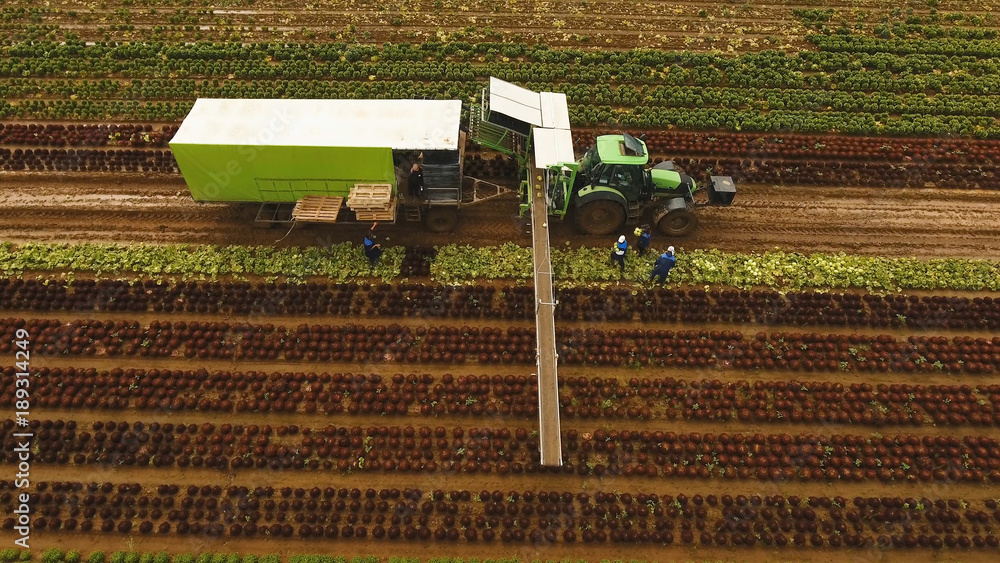
    In the ever-evolving landscape of agriculture, innovation has been a driving force behind increased efficiency and productivity. One of the most transformative technologies to emerge in recent years is the integration of conveyor belts into farming practices. This seemingly industrial tool has found a surprising home in the heart of our fields, ushering in a new era of agricultural efficiency and sustainability.

    The farming conveyor belt seamlessly automates the agricultural workflow, optimizing efficiency from planting to harvesting and revolutionizing traditional farming practices

    The Evolution of Agriculture:

    Traditional farming methods have served humanity well for centuries, but the growing demand for food and the need to optimize resources have prompted a shift towards more advanced technologies. The integration of conveyor belts into agriculture is part of this transformative journey.

    Unleashing Efficiency:

    Conveyor belts have proven to be a game-changer in terms of efficiency. From sowing to harvesting, these mechanized systems significantly reduce the need for manual labor, allowing farmers to focus on more strategic aspects of their operations. The time and energy saved through conveyor belt technology are substantial, contributing to increased productivity and output.

    Precision Farming:

    Conveyor belts bring an unprecedented level of precision to farming operations. Whether it’s the precise distribution of seeds during planting or the careful transport of harvested crops, these systems ensure that every step of the process is optimized. This precision not only maximizes yield but also minimizes waste, contributing to a more sustainable and environmentally friendly approach to agriculture.

    Sustainable Practices:

    The farming revolution with conveyor belts extends beyond efficiency; it’s also a step towards sustainable farming practices. Automation allows for the judicious use of resources such as water, fertilizers, and pesticides. By precisely delivering these inputs only where they are needed, conveyor belts help minimize environmental impact and promote a more sustainable and eco-friendly agricultural ecosystem.

    Adapting to Varied Terrains:

    Conveyor belts are not limited to flat, uniform fields. Modern designs are adaptable to various terrains, including hilly landscapes. This adaptability ensures that farmers can harness the benefits of conveyor belts regardless of the topography of their land, opening up new possibilities for agricultural development in areas that were once challenging to cultivate.

    Enhancing Worker Safety:

    The incorporation of conveyor belts in farming not only streamlines processes but also enhances worker safety. With automated systems handling tasks that were once labor-intensive, the risk of injuries and accidents is significantly reduced. This shift towards a safer working environment not only benefits the farmers but also attracts a new generation of workers to the agricultural sector.

    The Future of Agriculture:

    As we stand at the crossroads of technological advancement and agricultural development, the integration of conveyor belts into farming practices marks a significant milestone. This innovative approach not only meets the demands of a growing population but also paves the way for a more sustainable and efficient future in agriculture.

    Conclusion:

    The farming revolution with conveyor belts is a testament to human ingenuity and our ability to adapt technology for the betterment of society. As we continue to embrace these transformative tools, the future of agriculture looks promising, with increased efficiency, sustainability, and a renewed focus on feeding the world while preserving the environment. The conveyor belt has proven to be more than just a link in the industrial chain; it’s a bridge to a new era of smart, precision farming.

  • Hydroponic Monitoring Systems: Ensuring Precision and Success in Crop Cultivation

    Hydroponic Monitoring Systems: Ensuring Precision and Success in Crop Cultivation

    Hydroponic farming relies on precise control of environmental factors to optimize plant growth and yield. Monitoring systems play a crucial role in ensuring that hydroponic growers can maintain the ideal conditions for their crops. In this 00-word blog post, we’ll explore the importance of monitoring systems in hydroponics, the key parameters they track, and the benefits they provide to growers. For more information regarding hydroponic plant one can visit our site https://hydroponicglobal.com.au/.

    The Importance of Hydroponic Monitoring Systems:

    1. Precision Control: Hydroponic systems require precise control of variables like temperature, humidity, light, and nutrient levels. Monitoring systems provide real-time data to maintain these conditions within optimal ranges.

    2. Early Detection of Issues: Monitoring systems can detect deviations from the desired parameters before they become critical. This allows growers to take corrective actions promptly, preventing crop damage and loss.

    3. Resource Efficiency: By closely monitoring water and nutrient usage, growers can optimize resource efficiency. This reduces waste and operating costs.

    4. Remote Monitoring: Many monitoring systems offer remote access, allowing growers to check and adjust conditions from anywhere with an internet connection. This flexibility is especially valuable for large-scale or commercial operations.

    Key Parameters Tracked by Monitoring Systems:

    1. Temperature: Maintaining the right temperature is crucial for plant growth. Monitoring systems track both air and water temperature to ensure they remain within the ideal range for the chosen crops.

    2. Humidity: Proper humidity levels are vital for preventing plant stress and diseases. Monitoring systems measure relative humidity to ensure it stays within the recommended range.

    3. Light Intensity and Spectrum: Light is a primary driver of photosynthesis. Monitoring systems track both light intensity and spectrum to ensure that plants receive the right amount and type of light for their growth stage.

    4. pH Levels: The pH of the nutrient solution must be carefully controlled to optimize nutrient uptake. Monitoring systems provide continuous pH readings and can trigger adjustments when needed.

    5. Electrical Conductivity (EC): EC measures the concentration of dissolved salts in the nutrient solution. Monitoring systems help maintain the correct EC levels by adding or diluting nutrients as required.

    6. Water Level: Monitoring the water level in hydroponic systems prevents overflows and ensures that plants have adequate access to the nutrient solution.

    7. Oxygen Levels: Oxygen is essential for healthy root growth. Monitoring systems measure oxygen levels in the nutrient solution and can activate aerators or diffusers as needed.

    Benefits of Hydroponic Monitoring Systems:

    1. Maximized Yields: By maintaining ideal conditions, monitoring systems help growers achieve maximum yields and crop quality.

    2. Reduced Labor: Automation and remote monitoring capabilities reduce the need for constant manual oversight, saving labor costs.

    3. Lower Resource Usage: Monitoring systems optimize water and nutrient use, reducing resource consumption and waste.

    4. Early Issue Detection: Deviations from optimal conditions are detected early, allowing growers to take corrective actions and prevent crop loss.

    5. Data-Driven Decision-Making: The data collected by monitoring systems provides valuable insights for making informed decisions about crop management and system adjustments.

    6. Consistency: Monitoring systems ensure that conditions remain consistent, reducing the risk of crop stress or disease outbreaks.

    Types of Hydroponic Monitoring Systems:

    1. Sensor-Based Systems: These systems use various sensors to collect data on environmental parameters. Sensors can be placed throughout the growing area or directly in the nutrient solution.

    2. Control Systems: Some monitoring systems are integrated with control mechanisms that can automatically adjust environmental conditions based on sensor data.

    3. Data Logging Systems: These systems collect and record data over time, allowing growers to review historical trends and make informed decisions.

    4. Remote Monitoring: Many modern monitoring systems offer remote access through mobile apps or web interfaces, enabling growers to check and adjust conditions from anywhere.

    Conclusion:

    Hydroponic monitoring systems are essential tools for modern growers seeking precision, efficiency, and consistent crop success. By continuously tracking key parameters like temperature, humidity, light, pH, and nutrient levels, these systems help growers create and maintain the ideal conditions for plant growth. Whether you’re a hobbyist or a commercial hydroponic farmer, investing in a reliable monitoring system is a smart way to optimize yields, reduce resource consumption, and ensure the health and vitality of your crops.

  • Understanding the Significance of Companies’ Concern for Brand-Specific Packaging

    Companies prioritize Mailing boxes australia due to its pivotal role in shaping brand identity, consumer perceptions, and market success. Here’s a closer look at why companies are deeply concerned about brand-specific packaging:

    1. Distinctive Brand Identity: Brand-specific packaging creates a visual identity that sets a brand apart, making it easily recognizable in a crowded marketplace.
    2. Consumer Connection: Packaging serves as a tangible touchpoint for consumers to connect with a brand’s values, story, and ethos.
    3. Differentiation in Competition: In a competitive landscape, brand-specific packaging helps a company stand out, capturing attention amidst numerous options.
    4. Memorable Impressions: Packaging provides the first physical interaction consumers have with a product. Brand-specific packaging leaves a lasting impression.
    5. Consistency in Branding: Brand-specific packaging ensures consistent branding across various products, reinforcing brand recognition and recall.
    6. Emotional Engagement: Packaging with a brand’s visual elements triggers emotions, creating a deeper connection with consumers.
    7. Unboxing Experience: Brand-specific packaging enhances the unboxing experience, turning it into a moment of excitement and anticipation.
    8. Fostering Brand Loyalty: Recognizable packaging fosters customer loyalty as consumers associate positive experiences with the brand.
    9. Shareable Content: Striking and unique packaging often prompts customers to share their unboxing experiences on social media, generating organic exposure.
    10. Brand Equity and Perception: Well-designed packaging reflects a brand’s commitment to quality and excellence, influencing how consumers perceive the brand.
    11. Marketing Opportunity: Packaging can include promotional materials, offers, or calls to action, effectively engaging customers post-purchase.
    12. Encouraging Word-of-Mouth: Positive packaging experiences lead to word-of-mouth recommendations, spreading the brand’s appeal.
    13. Premium Perceived Value: Brand-specific packaging elevates the perceived value of products, making them feel more luxurious and desirable.
    14. Brand Reputation: Packaging serves as a testament to a brand’s attention to detail and commitment to providing exceptional experiences.
    15. Crafting Consistent Impressions: Brand-specific packaging ensures that the impression a brand leaves online aligns with the physical product’s presentation.
    16. Building a Strong Brand Image: Packaging contributes to building a strong, cohesive brand image that resonates with consumers.
    17. Strengthening Emotional Attachment: Packaging creates an emotional attachment, making consumers feel personally connected to the brand.

    Conclusion: A Strategic Investment

    Companies’ concern for brand-specific packaging is rooted in the understanding that packaging is not just a container but a powerful vehicle for brand messaging, consumer engagement, and loyalty. By investing in brand-specific packaging, companies craft a holistic brand experience that extends beyond products. Every package becomes an opportunity to create a positive impression, foster loyalty, and leave an indelible mark in consumers’ minds. In an era of heightened competition and consumer engagement, brand-specific packaging becomes a strategic investment that contributes to long-term brand success.