
Wearable technology has revolutionized our lives in numerous ways, from tracking our fitness goals to augmenting our reality. But what if wearables could do even more? Introducing wearable safety tech – a groundbreaking innovation that aims to protect and safeguard individuals in various industries and daily activities. Whether you’re a construction worker, a hiker, or simply someone concerned about personal safety, wearable safety tech promises to provide an extra layer of security and peace of mind.
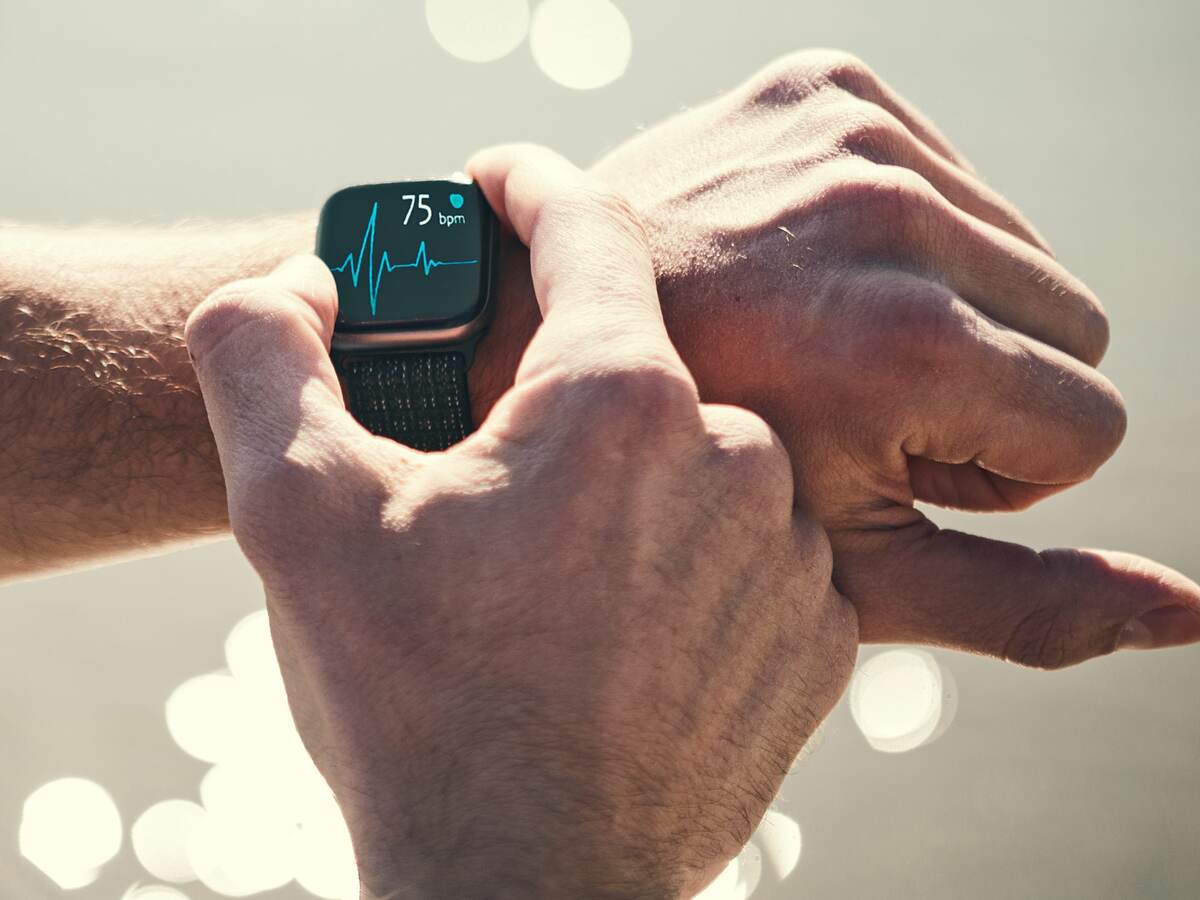
From smartwatches to specialized safety vests, these wearable devices are equipped with advanced features, sensors, and connectivity that enable real-time monitoring and emergency response. They go beyond the traditional functions of wearables by actively assessing risks, detecting potential hazards, and alerting users when danger is detected. Some devices can even automatically activate safety protocols or notify emergency services in critical situations. With wearable safety tech, the possibilities are endless, offering a futuristic vision of a world where personal safety is seamlessly integrated into our everyday lives.
The Evolution of Wearable Safety Tech
Personal Protection Devices In Sports have become increasingly important in the world of sports. Athletes are constantly pushing their bodies to the limit, and with that comes an increased risk of injury. Luckily, advancements in technology have led to the development of innovative wearable safety tech to help protect athletes from harm.
One example of wearable safety tech in sports is the use of impact sensors. These small devices can be attached to helmets or other gear and measure the force of impacts during a game or practice. When a potentially dangerous impact is detected, the sensor can send an alert to coaches or medical staff, allowing them to quickly assess the condition of the athlete and provide immediate medical attention if necessary. This type of technology has proven to be invaluable in preventing serious injuries and minimizing the long-term effects of concussions and other head injuries.
As wearable safety tech continues to advance, it has also found its place beyond the sports world. Industries such as construction and mining have embraced these innovations to enhance worker safety. Hard hats with built-in sensors can monitor vital signs and detect signs of fatigue or heat stroke, alerting workers and supervisors to potential dangers before they escalate. Similarly, GPS-enabled safety vests provide real-time positioning information, allowing employers to track and locate workers in hazardous environments. These advancements in wearable safety tech have the potential to greatly reduce workplace accidents and improve overall safety standards.
Moreover, wearable safety tech is not just limited to professionals or athletes. Everyday individuals can benefit from these devices as well. For instance, wearable alarms or panic buttons can be discreetly worn and activated in emergency situations, summoning help quickly and discreetly. Additionally, personal safety apps integrated into smartwatches can allow users to share live location data with trusted contacts or send distress signals when they feel endangered.
In conclusion, wearable safety tech represents a significant leap forward in ensuring the well-being and protection of individuals across various industries and daily activities. With its ability to assess risks, detect hazards, and provide real-time alerts, this technology has the potential to revolutionize personal safety and provide peace of mind to users. As we continue to embrace wearable technology, the integration of safety features promises a future where personal safety is seamlessly woven into our everyday lives.
Leave a Reply